
Roof problems rarely start as emergencies. Most begin as small issues that are easy to miss: a loose shingle, a minor leak, a faint water stain on the ceiling.
Homeowners often delay action because the damage doesn’t look serious, the cost feels uncertain, or the next step isn’t clear. That hesitation is usually what turns a simple roof repair into a bigger, more expensive problem.
This guide answers the most common roof repair questions homeowners are asking in 2026. You’ll find clear explanations about warning signs, repair vs. replacement decisions, typical costs, insurance concerns, timelines, and when DIY makes sense.
The goal is simple: help you understand what’s happening on your roof and what to do next before small problems become structural ones.
What are the signs I need roof repair?
Roof damage shows up in predictable ways. The earlier you catch it, the easier and cheaper it usually is to fix.
According to Robert Edbrooke, from GEICO, the upper floor and the attic “may reveal signs of interior damage, such as rotting, stained or moldy wood, or damp spots from inside leaks.”
In addition to that, here are the most common warning signs homeowners should take seriously:
- Water stains on ceilings or walls
Brown or yellow spots often mean water is entering through damaged shingles, flashing, or underlayment and traveling inside the structure. - Missing, cracked, or curling shingles
Shingles protect the roof deck. When they lift, break, or disappear, water and wind have a direct path inside. - Granules in gutters or downspouts
Asphalt shingles shed granules as they age. Heavy buildup means the protective surface is breaking down. - Sagging roof sections
This can indicate moisture damage to decking or structural framing, which moves the issue beyond cosmetic repair. - Damaged flashing
Flashing seals areas around chimneys, vents, skylights, and valleys. When it cracks or separates, leaks usually follow. - Visible daylight in the attic
If light comes through the roof boards, water will too. - Mold or musty smells inside the home
Ongoing moisture intrusion often leads to hidden mold growth in insulation and framing.
Seasonal changes often expose hidden roof problems, especially after winter and early spring storms. Many common issues show up during this period, including shingle damage, flashing failures, and moisture intrusion.
Some signs are obvious. Others stay hidden until insulation, drywall, or framing starts to fail. Regular inspections, especially after storms or heavy winds, help catch roof repairs early, when they’re still straightforward to fix.
Is it normal for a roof to leak in heavy rain?
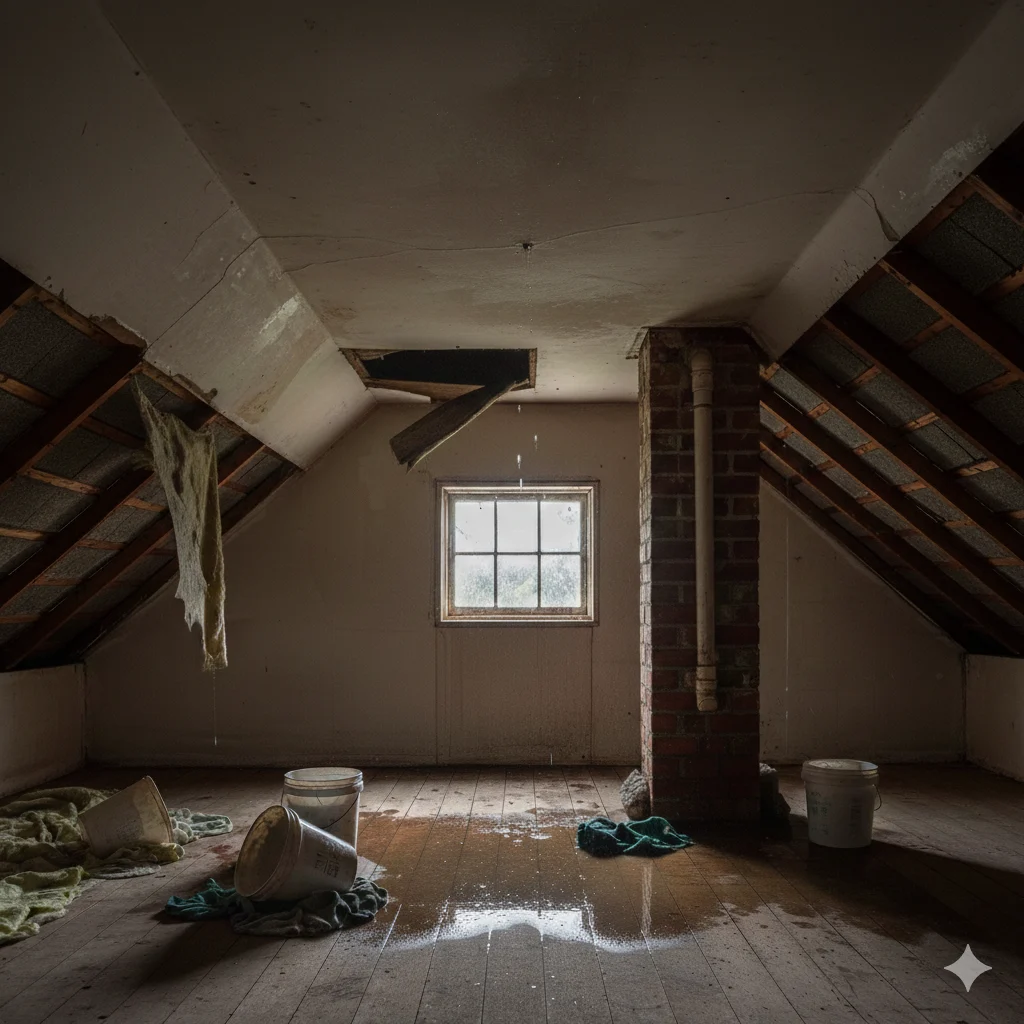
No. A properly installed and maintained roof should not leak, even during heavy rain. When water gets inside, it usually means something in the roofing system has failed. Common causes include damaged shingles, loose flashing, clogged valleys, worn sealants around vents, or underlayment that has deteriorated over time. Heavy rain doesn’t create the problem; it exposes it.
Can a roof leak be repaired, or does it require replacement?
Most leaks can be repaired when the damage is localized. A few missing shingles, cracked flashing, or a failed seal around a vent pipe are typical repair jobs. Replacement becomes more likely when leaks are tied to widespread material failure, rotted decking, multiple active leak points, or an aging roof system that has reached the end of its service life. The difference comes down to scope: isolated damage usually means repair, system-wide breakdown points toward replacement.
How urgent is a small roof leak?
Every roof leak is urgent, even small ones. Water doesn’t stay where it enters. It travels through insulation, framing, and drywall, causing hidden damage long before stains appear. What starts as a minor roof repair leak can turn into mold growth, wood rot, and structural issues. Acting early keeps the repair limited to surface materials instead of structural components.
How do I know if my roof needs repair or full replacement?
The decision between repair and replacement comes from three main factors: age, damage scope, and structural condition.
- Age of the roof
Roofs near the end of their expected lifespan are more likely to need replacement, even if the visible problem looks small. Older materials lose flexibility, sealing strength, and weather resistance. - Extent of the damage
A few damaged shingles or a single leak point usually support roof repairs. Widespread cracking, granule loss, multiple leaks, or recurring issues across different sections of the roof suggest deeper system failure. - Condition of underlying materials
If decking, underlayment, or structural components are compromised by moisture, repairs become less effective. Structural damage often shifts the recommendation toward replacement.
A professional inspection is the most reliable way to make this call. Contractors look beyond surface damage and assess moisture intrusion, deck integrity, flashing systems, ventilation, and material condition. The goal isn’t just fixing today’s leak, it’s preventing the same problem from returning in six months.
How much does it typically cost to repair a roof?
Roof repair cost depends on the type of damage, roof material, access, and how widespread the issue is. In most cases, homeowners pay for labor, materials, and the complexity of the repair, not just the visible problem.
Small repairs, like sealing flashing or replacing a few shingles, are usually on the low end. Structural repairs, decking replacement, or multiple leak points push costs higher. The key variable is always scope; localized damage costs less than system-level failure.
Is it cheaper to repair or to replace a roof?
Repair is almost always cheaper in the short term. Replacement becomes more cost-effective when repairs are frequent, widespread, or tied to aging materials. If you’re fixing the same problems repeatedly, the money spent on repairs often exceeds the value of replacing the roof system. Short-term savings favor repair, long-term stability often favors replacement.
What is the most expensive part of replacing a roof?
Labor is usually the biggest cost factor, followed by material quality and structural work. Tear-off, disposal, decking replacement, and structural corrections add high cost. Premium materials, complex roof designs, and steep slopes also increase pricing because they require more time, safety measures, and specialized installation.
How much does it cost to replace a few shingles on a roof?
Replacing a small number of shingles is one of the most affordable roof repairs. Cost depends on shingle type, roof height, access, and whether underlayment or decking is damaged underneath. If the surface layer is the only issue, it’s typically a simple repair. If moisture has already penetrated below the shingles, costs rise due to the material and labor involved in structural drying and repair.
What is the cheapest way to repair a roof?
The cheapest roof repair is early repair. Fixing minor damage, sealing small leaks, and replacing individual components before moisture spreads prevents structural repairs. Temporary patches and DIY sealants may seem cheaper upfront, but they often fail quickly and lead to larger repair bills. Long-term affordability comes from proper repairs, not quick fixes.
This is why inspections matter. Catching problems early keeps roof repairs small, controlled, and predictable instead of turning them into major projects.
Does homeowners’ insurance pay for a leaky roof?
Homeowners insurance may cover a roof leak if it’s caused by a sudden, covered event, such as wind damage, hail, fallen trees, or storm-related impact. It typically does not cover leaks caused by wear and tear, aging materials, poor maintenance, or long-term deterioration. Insurance looks at the cause, not just the damage. If the leak comes from neglect or old materials, it’s usually considered the homeowner’s responsibility.
Is it worth claiming roof damage on insurance?
It depends on the size of the damage and your deductible. Small roof repairs often cost less than the deductible, making a claim impractical. Larger storm-related damage may justify a claim, especially when multiple sections of the roof are affected. It’s also important to consider claim history. Frequent small claims can impact future premiums and insurability.
How do I make a successful roof leak insurance claim?
Documentation matters. Start with a professional roof inspection and a written report. Take photos of visible damage, interior leaks, and affected areas. File the claim promptly and keep records of all communications. Temporary repairs should focus on preventing further damage, not altering the roof system, before the adjuster inspection. Clear evidence of storm-related cause and professional documentation improve claim outcomes.
Below is a practical, step-by-step framework based on guidance from RoofClaim, a well-known insurance consulting firm that specializes in roof damage claims. Their process reflects how insurers typically evaluate roof leak claims and shows homeowners how to document damage, protect coverage eligibility, and avoid the most common mistakes that lead to denials.
- Stop further damage immediately
Make temporary fixes like tarping the roof or placing buckets under leaks to protect the interior — insurers expect you to mitigate damage, but don’t make permanent repairs before the adjuster evaluates it. - Document everything thoroughly
Take clear photos and videos of the roof and interior leaks, documenting what is damaged, where it is, and when it occurred. Record the weather event that caused the damage if relevant. - Get a professional inspection and report
A licensed roofer can identify hidden damage and provide a detailed report. This helps show the insurer that the damage was sudden and not due to normal wear and tear. - Review your homeowners’ insurance policy
Understand your deductible, coverage limits, and whether your policy covers perils like wind, hail, and sudden leaks. Knowing the details helps set expectations before you file. - File the claim promptly
Contact your insurer right away — most policies have deadlines for when you must report damage. Provide all documentation you’ve gathered (photos, inspection report, receipts). - Prepare for the adjuster’s visit
When the insurance adjuster comes to inspect, have your documentation and contractor’s report ready. Being present during the inspection helps ensure all damage is properly noted. - Understand the outcome and next steps
After inspection, the insurer will approve, partially approve, or deny the claim. If needed, you can provide additional documentation or ask about appeal procedures.
Following a structured claims process improves your chances of approval, but it doesn’t change one core reality: not every roof repair qualifies for coverage. Even a well-documented claim can be denied if the damage isn’t tied to a covered event. That’s why understanding responsibility matters just as much as understanding the claim process itself, because when insurance doesn’t apply, the cost of roof repairs falls elsewhere.
Who pays for roof repairs?
If the damage is covered by insurance, the insurer pays according to your policy terms. If the damage comes from age, maintenance issues, or non-covered causes, the homeowner pays. In rental properties, responsibility typically falls on the property owner, not the tenant. Payment responsibility always comes back to ownership and the cause of damage.
Understanding coverage before damage happens helps avoid surprises. Insurance is protection against sudden events, not a maintenance plan for aging roofs.
How long does a typical roof repair take?
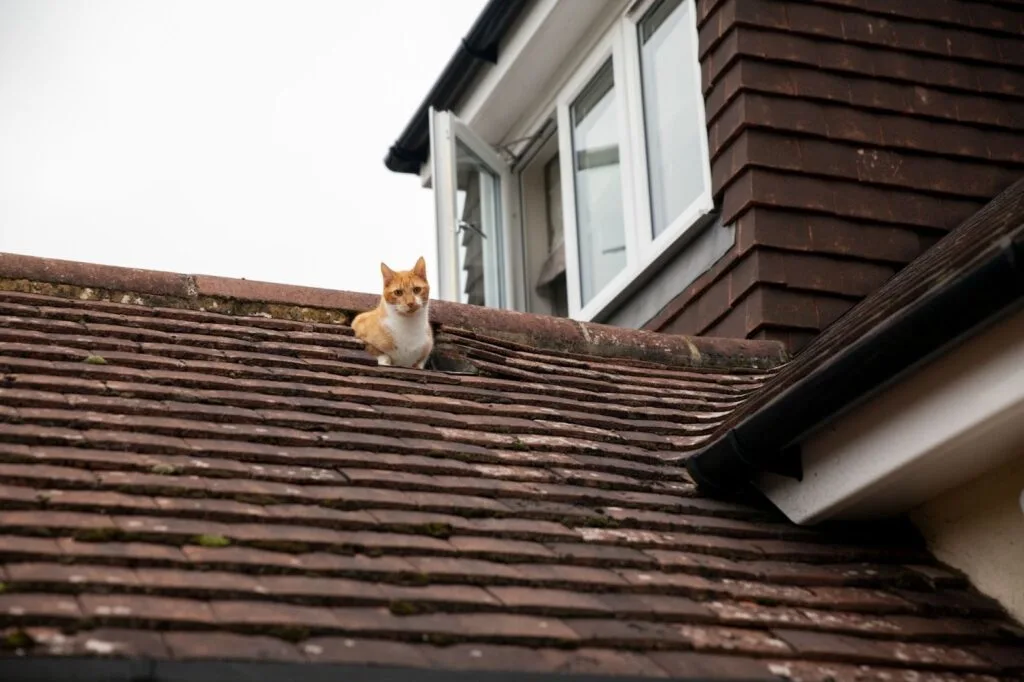
We made this special question to the owner of Convert Roofing, Chad Wilkins, and here it is his answer:
“Most roof repairs are completed within a few hours to a single day. Simple jobs like replacing damaged shingles, sealing flashing, or repairing small leaks usually fall into this range. More complex repairs, such as decking replacement, structural drying, or multi-point leak repairs, can take several days depending on material availability, weather conditions, and the extent of moisture damage.”
It is also important to add that timelines depend on access, roof pitch, and safety requirements. Steep roofs, multi-story homes, and complex roof designs require more setup time and labor.
The repair itself may be straightforward, but preparation and safety procedures affect the overall schedule.
Can I repair my roof myself, or should I hire a professional?
Some minor repairs can be handled by homeowners, but most roof work carries safety and quality risks. Small surface tasks, like replacing a single shingle or sealing an exposed nail, may be manageable if you understand roofing materials and safety procedures. Anything involving leaks, flashing systems, underlayment, or structural components should be handled by a professional.
Roofing systems are layered. Water intrusion often happens below the visible surface. A repair that looks simple on the outside can hide moisture damage underneath. Professional roofers don’t just patch the surface; they inspect decking, underlayment, ventilation, and flashing to prevent recurring leaks.
Safety is another factor. Falls, unstable surfaces, and improper ladder placement are common risks in DIY roof repairs. In many cases, the cost of fixing a failed DIY repair exceeds the cost of hiring a professional from the start.
What happens if I delay roof repairs?
Delaying roof repairs allows water to move deeper into the structure. Moisture spreads through insulation, framing, and drywall, causing rot, mold growth, and structural weakening. What starts as a minor leak often becomes a multi-system problem affecting electrical components, ceilings, walls, and indoor air quality.
Small repairs become structural repairs. Material replacement turns into decking replacement. Cosmetic damage becomes framing damage. The longer the delay, the higher the repair cost and the greater the risk to the home’s structural integrity.
Timely roof repairs protect more than the roof. They protect the entire building system beneath it.
How to choose a roof repair company with good reviews
Choosing the right roof repair company matters as much as the repair itself. Quality work prevents repeat leaks, protects the structure, and extends the life of the roof system. Reviews help, but they should never be the only factor.
Start with verification, not marketing. Confirm licensing, insurance, and local presence. A legitimate company can show credentials, not just testimonials. Local experience matters because contractors who work in the same climate understand regional weather patterns, building codes, and material performance.
Look for consistency in reviews, not just star ratings. Patterns matter more than individual comments. Repeated mentions of clear communication, accurate estimates, clean job sites, and follow-through are stronger indicators than generic praise.
Ask about the inspection process. A professional roof repair company inspects decking, underlayment, flashing, ventilation, and drainage, not just surface shingles. Repairs should be based on diagnosis, not assumptions.
Pay attention to how they explain the problem. Reliable contractors use clear language, show photos, and explain cause and impact. If the explanation feels rushed or vague, that’s a red flag.
A good roofing company doesn’t push replacement when repair is appropriate. The focus should stay on solving the problem correctly, not upselling the biggest project.
Take the First Step to Fix Your Roof with Confidence
Roof repair doesn’t have to feel uncertain or overwhelming. When you understand the warning signs, the causes of leaks, the difference between repair and replacement, and how costs, insurance, timelines, and responsibilities work, decisions become clearer and more practical.
This guide walks through the most common roof repair questions homeowners face in 2026, from early damage indicators and leak urgency to repair vs. replacement decisions, cost factors, insurance claims, DIY risks, and the long-term impact of delaying repairs. The goal is simple: help you act early, make informed choices, and protect your home before small issues turn into structural problems.
If you’re seeing warning signs or dealing with roof damage, the next step is getting reliable answers. Get clear guidance, trusted information, and a straightforward path to understanding what your roof actually needs.