
Tis’ the season to stay nice and warm inside. But your roof is a vital aspect of your home’s health. So what should we, as homeowners, do to protect ourselves and our families this winter?
What’s our winter outlook for Virginia Beach?
The National Oceanic and Atmospheric Association (NOAA) predicts a milder winter for 2025 going into 2026. Okay… but what does that actually mean for us!?
- It means that there is a low chance of snow (sorry kids, it doesn’t look like there’ll be a lot of snow days this year). But there’s still a chance of ice. A milder winter means that the Atlantic sea-surface temperatures will be measurably warmer. And a warmer sea tends to support rain and ice.
- The middle of winter will likely have several cold shots. Cold shots refer to brief but sharp blasts of cold air sweeping into a region, causing rapid drops in temperature well below seasonal averages. These cold shots can contribute to a dramatic freeze-thraw cycle.
- You might think a milder winter means less chance of dangerous storms. That is true for snow storms and blizzards. But our coastal region is still exposed to nor’easter-type systems, strong onshore flow, and tidal flooding. So we can still get heavy rains, strong winds and potentially even localized flooding.
Meteorology isn’t an exact science, so don’t take these predictions as prophecies set in stone. But NOAA is on the forefront, so they might have more updated information by the time you read this. As your local roofing company in Virginia Beach, we’ve been around for a few winters and we’re ready to help out.
/imagWhat types of roof damages can winter bring?
Winter roof damage can be split into four major categories: water, wind, cold, and secondary failures. These can all compound upon each other. So you might think your roof is fine after a few modest storms, but all it takes is one straw to break the camel’s back. Taken together, these small problems can add up into an expensive roof repair for your Virginia Beach home.
- Strong winds and our salty air can corrode nails, fasteners, flashing, and other metal accessories, gradually weakening them and making your home more vulnerable.
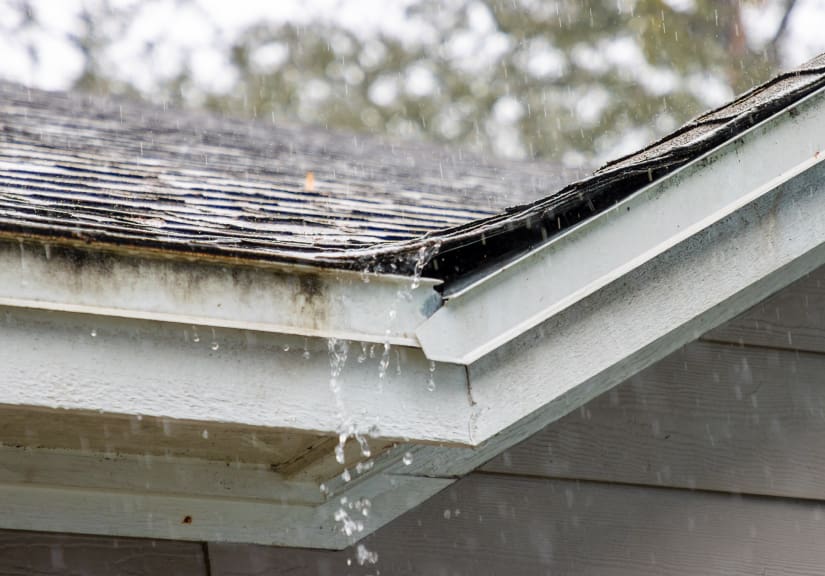
- Strong winds can push rain horizontally, forcing water under shingle edges or in gaps between the flashing and the roof penetration.
- These cold shots and winter snaps can contribute to a freeze-thraw cycle. Water gets in between your chimney and its flashing, it freezes causing that gap to expand. Then it melts, digging deeper into your roof until it causes a leak.
- If water is not drained away from your foundation, then it can seep in, freeze and create cracks. That’s what we mean by secondary failures. A bad roof can lead to the failure of other parts of your home.
- Ice dams are more common during colder winters, when there are multiple, consecutive days below freezing, but we would be remiss if we didn’t mention them. They are build-ups of ice preventing snow and water from sliding off of your roof. We have a whole blog about them.
What can I do to protect my home?
- First, when was the last time you had your roof inspected? Routine roof inspections from a trusted roofing contractor in Virginia Beach can catch these problems early.
- Manage your gutters and drainage system. Leaves and debris can accumulate in autumn and become problems in winter.
- Make sure your downspouts lead water away from your foundation.
- Check your attic for leaks or poor ventilation. Again, we have an entire blog about how to check your attic safely.
When working on your roof, do so safely. Take all of the necessary precautions. Be extra careful this icy season. And if you don’t feel comfortable or aren’t able to work on your roof, call in the professionals.
If you are hit with a significant storm, storm winds, or hail, follow our guide on What to do Immediately After a Storm Hits your Roof.
If you would like a long-term solution to storm troubles, consider replacing your roof with stronger materials. For example, we offer GAF’s impact resistant shingles to protect your home from hail storms. We also offer an entire roofing system designed for severe weather called FORTIFIED™ Roof.