
Home improvement projects bring enough stress without the confusion of legal requirements. Dealing with the Virginia Construction Code often overwhelms property owners who just want to renovate safely.
Unpermitted work frequently delays property sales and triggers local fines exceeding $1,000. A small mistake in compliance often forces you to tear down completed work and start over from scratch.
This guide translates complex legal requirements into plain English. It clarifies the specific regulations governing your property, outlines exactly which projects require permits, and answers common compliance questions to keep your build on track.
What building codes does Virginia use?
The state enforces the Uniform Statewide Building Code (USBC). This comprehensive system sets the mandatory baseline for all construction, renovation, and repair work across every county and city.
Virginia does not write its construction regulations from scratch. The government adopts established model codes from the International Code Council (ICC) and modifies them to fit specific regional needs.
“The USBC establishes a non-negotiable safety floor to protect occupants from catastrophic structural failures,” according to guidelines published by the state government. Local municipalities enforce these state-mandated standards through their own building departments.
What is the difference between the VCC and local building codes?
The Virginia Construction Code serves as the ultimate authority across the entire state. The Virginia Department of Housing and Community Development (DHCD) creates and updates these rules to establish a universal minimum safety standard.
Local building departments do not write their own building codes. Instead, municipal offices in cities and counties enforce the state rules through plan reviews and site inspections.
Local ordinances cannot override the state code. A city cannot demand specific building materials or enforce stricter foundation rules for single-family homes if the state code already permits a standard method. This ensures consistency for contractors statewide.
IRC vs. IBC
Understanding the difference between the International Residential Code (IRC) and the International Building Code (IBC) prevents project delays. The type of property you own dictates which rulebook applies.
| Feature | IRC (Residential) | IBC (Commercial) |
| Property Type | Single-family homes, duplexes, townhouses | Commercial buildings, apartments (4+ stories) |
| Standard Type | Prescriptive (exact instructions for framing, etc.) | Performance-based (strict engineering required) |
| Complexity | Straightforward structural guidelines | Advanced fire-resistance and load calculations |
Is the Virginia Construction Code the same as the IBC?
They are closely related, but they are not identical. The VCC adopts the IBC as its foundation but modifies it to fit state laws and local climate conditions.
The state completely replaces the first administrative chapter of the IBC with its own rules regarding permits, fees, and inspections. Virginia also adds specific technical amendments to address regional issues.
When a conflict exists between the base IBC and the state amendments, the Virginia-specific rules always take precedence.
What version of the IBC does Virginia use?
Virginia currently enforces regulations based on the 2021 edition of the IBC. The state officially adopted the 2021 Uniform Statewide Building Code, which became mandatory for all new permit applications on January 18, 2025.
The state updates its building regulations every three years to keep pace with new construction technologies and safety data. The next update cycle will evaluate the 2024 model codes.
What are the construction standards for Virginia?
The state enforces the 2021 Virginia Uniform Statewide Building Code across all municipalities. This framework sets mandatory minimums for structural integrity, energy efficiency, electrical wiring, and plumbing systems.
“We see homeowners face massive setbacks because they ignored regional climate rules,” explains the technical team at Convert Roofing. “Using standard fasteners on a roof in a high-wind zone guarantees a failed inspection and an immediate tear-off.”
Properties in coastal zones face strict wind load requirements and must withstand gusts up to 130 mph. Inland homes must meet specific ground snow load and frost depth regulations to prevent foundation cracks during freezing winters.
What permits are required under the Virginia Construction Code?
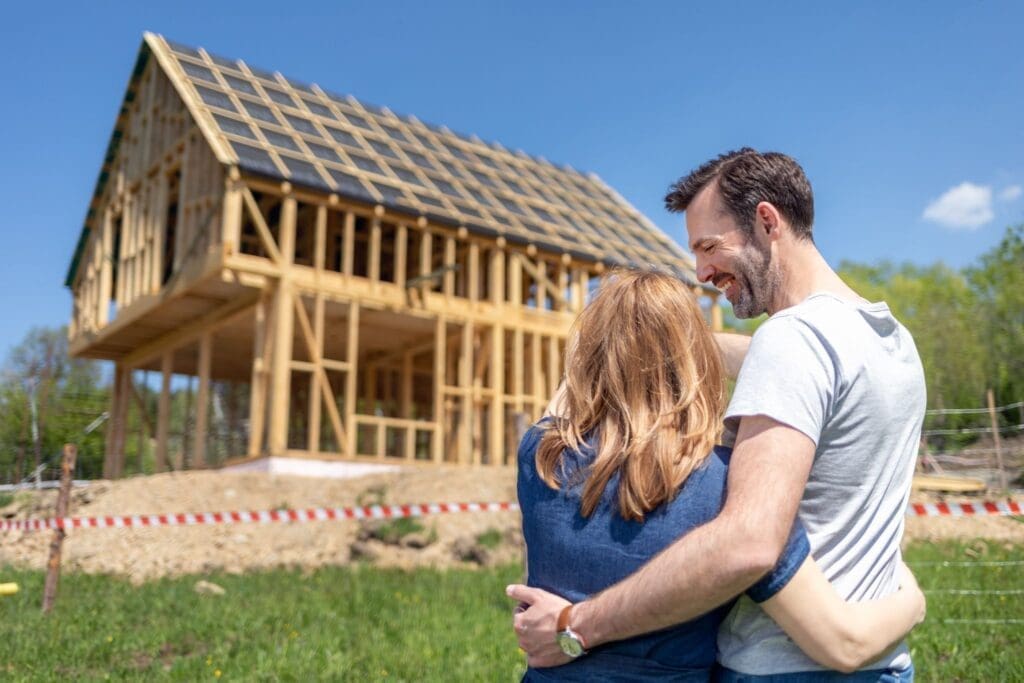
Most structural alterations require formal approval before any work begins. You must pull a permit for room additions, deck construction, foundation repairs, and finishing basement spaces.
Modifying your home’s core systems also triggers permit requirements. Installing new plumbing fixtures, upgrading electrical panels, or adding gas appliances demands mandatory safety inspections.
If you are unsure whether your planned exterior project triggers a permit requirement, exploring our roof replacement considerations provides practical guidance on compliance.
Virginia does offer specific exemptions for minor cosmetic work and small exterior structures:
- Interior updates: Painting walls, installing kitchen cabinets, or replacing floor coverings.
- Small sheds: Building a one-story detached storage shed under 256 square feet.
- Landscaping boundaries: Fences under seven feet tall and retaining walls supporting less than three feet of soil.
Always verify these exemptions with your local building department. Municipal zoning rules still dictate where you can place a shed or fence on your property line.
FAQ
Can a homeowner do their own electrical work in Virginia?
Virginia allows homeowners to perform electrical work on their primary residence. You do not need to hire a licensed electrician for your own home.
However, you must still apply for an electrical permit before starting the project. The completed work must pass a formal inspection by the local building department to ensure total safety.
Can you legally turn a shed into a house in Virginia?
Converting a storage shed into a habitable living space requires strict code compliance. The existing structure must meet all International Residential Code requirements for a dwelling.
This involves retrofitting the shed with proper insulation, egress windows, permanent heating, and approved electrical systems. You must secure new permits to legally change the building’s official occupancy status.
How big of a shed can I build without a permit in Virginia?
The state exempts small, one-story detached storage sheds from formal building permit requirements. The structure must remain under 256 square feet in total area.
Even without a building permit, you still need to follow local zoning ordinances. Municipalities enforce strict rules regarding how close you can place the shed to your property lines.
Does roof replacement need to meet current Virginia code?
Any new roofing project must comply with the currently adopted building code. If your property already has two layers of shingles, state law mandates a complete tear-off before installing new materials.
The replacement must also meet current wind resistance and underlayment standards specific to your local region.
Build and Renovate with Confidence
Understanding the Virginia Construction Code prevents costly tear-downs and legal headaches during your home improvement projects. State regulations establish the mandatory baseline for structural safety, while local building departments handle the strict enforcement.
Knowing the specific differences between the IRC for homes and the IBC for commercial properties keeps your planning accurate. You must always verify permit requirements before starting any major renovation, system upgrade, or exterior alteration.If you need more clarity on specific roofing regulations, shed exemptions, or general compliance standards, explore our roofing FAQ section for clear answers. Contact our team for an expert inspection to ensure your next exterior project meets every legal requirement.