
Most homeowners only deal with roofing projects once or twice in their lifetime. That limited experience creates a blind spot. It is hard to judge workmanship when you do not know what proper installation should look like in the first place.
Price often becomes the deciding factor. A lower quote feels like a win, especially when the roof looks “new” once the job is done. The problem is that poor roofing work rarely shows immediate failure. It tends to reveal itself slowly, through subtle signs like uneven lines, exposed materials, or small leaks that appear months later.
Another challenge is visibility. Much of the critical work, such as underlayment, flashing, and fastening, is hidden once the shingles go on. Homeowners are left trusting that everything beneath the surface was done correctly.
This article focuses on making those hidden risks easier to recognize. You will see what bad roofing contractors often leave behind, how to spot warning signs from the ground, and what separates proper installation from shortcuts. We will also cover what to do if you suspect poor workmanship, so you can take action before minor issues turn into expensive repairs.
How to spot a bad roofing company?
Problems with a roof often start before the first shingle is installed. The way a contractor communicates, plans, and documents the job usually reflects the quality of the work that follows.
Some warning signs show up early:
- Vague or incomplete estimates
If the quote does not clearly list materials, scope, or labor details, it becomes difficult to hold anyone accountable later. - Unusually low pricing
A price far below others often means corners will be cut, either in materials, labor, or both. - No discussion of ventilation or flashing
These are critical parts of the system. If they are not mentioned, they may not be handled properly. - Pressure to decide quickly
Rushed decisions leave little time to verify credentials or compare options. - Limited or unclear warranty information
Reliable contractors explain both material and workmanship warranties in plain terms.
A strong roofing company explains what they are doing, why it matters, and what you can expect over time. When that clarity is missing, the risk of poor workmanship increases.
How to tell if your roof was installed correctly?
A properly installed roof has a consistent, uniform appearance and performs without early issues. While some details require a close inspection, there are visible indicators homeowners can check.
Look for:
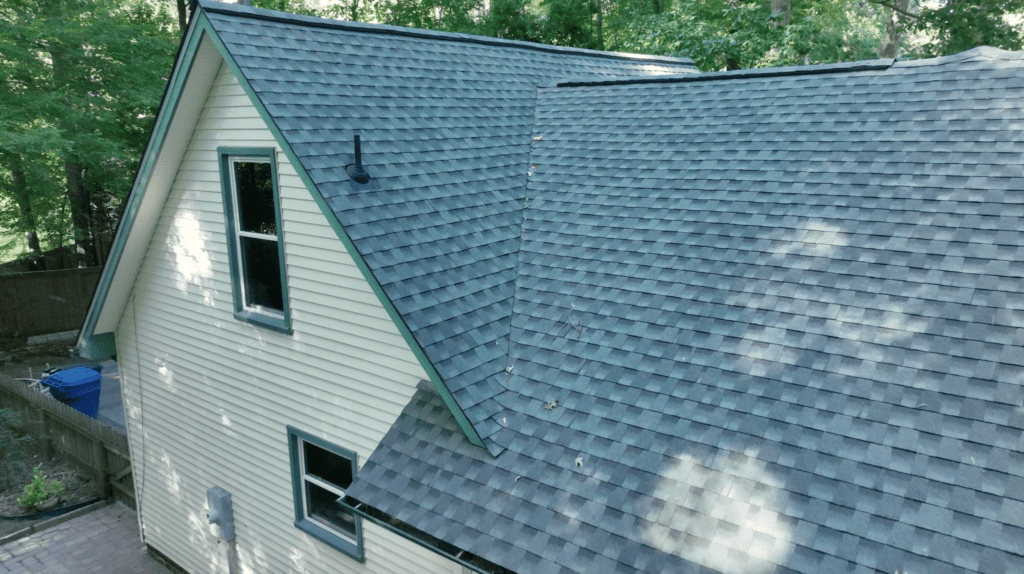
- Straight, aligned shingle rows
Lines should be even across the roof, without drifting or irregular spacing.
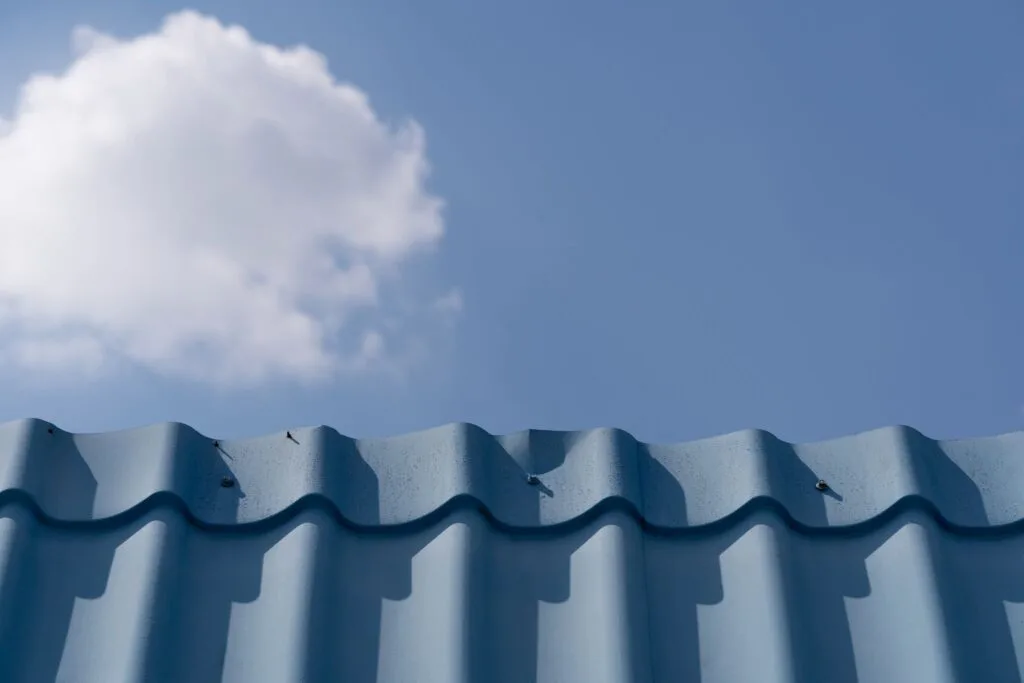
- Secure edges and clean transitions
Areas along ridges, valleys, and roof edges should look tight and well-finished.
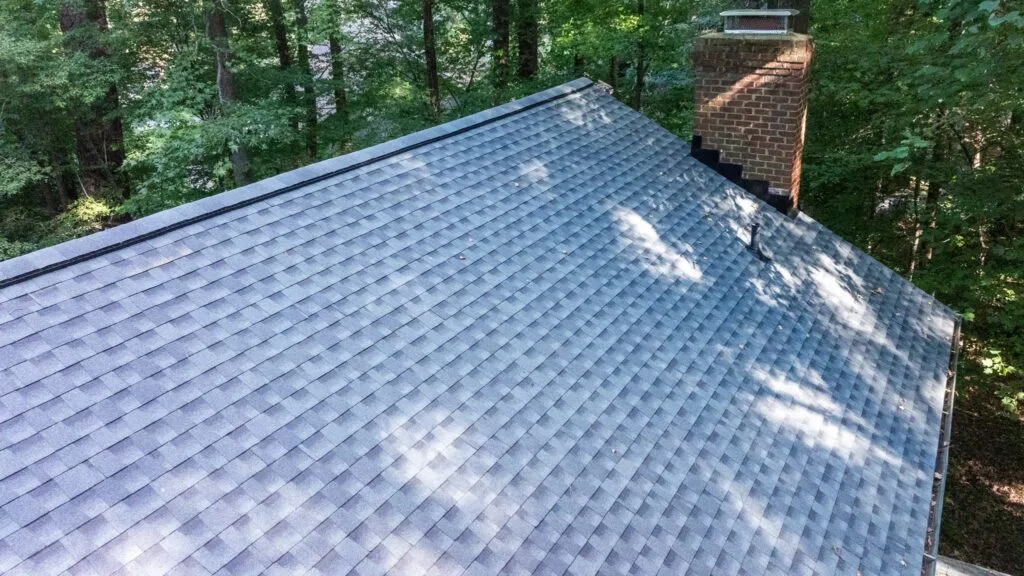
- Proper flashing integration
Around chimneys, vents, and walls, flashing should be neatly installed and not overly reliant on exposed sealant.
- No exposed nails
Fasteners should be covered and protected, not visible on the surface.

- Consistent color and texture
Uneven patches can indicate mismatched materials or improper handling.

Beyond appearance, performance matters. A correctly installed roof should not show signs of leaks, loose materials, or abnormal wear within the first few years.
If there is any doubt, a professional inspection can confirm whether the installation meets expected standards.
What does a bad roofing look like?
Poor roofing work often reveals itself through small visual inconsistencies. These are not always dramatic failures, but they signal that shortcuts were taken during installation.
Common signs include:
- Wavy or uneven shingle lines
This usually points to poor alignment or incorrect spacing.
- Overuse of sealant
Large amounts of visible caulking often indicate a temporary fix instead of proper flashing.
- Loose or lifted shingles
These may result from incorrect nailing or sealing issues.
- Exposed or rusting nails
A clear sign that fastening was not done correctly.
- Messy edges and poor finishing
Rough cuts and uneven edges suggest a lack of attention to detail.
- Stains or early discoloration
These can indicate moisture issues developing beneath the surface.
Bad roofing does not always fail immediately. In many cases, it looks acceptable at first glance, but it begins to deteriorate faster than expected. Recognizing these early signs helps prevent more serious problems from developing over time.
What can I do if the roofers do a bad job?
When poor workmanship shows up, the first step is to slow down and document everything. Acting too quickly without clear evidence can make it harder to resolve the issue later.
Start with:
- Photos and videos of all visible problems
- Copies of the contract, estimate, and warranty
- Timeline of when the work was completed and when issues appeared
Clear documentation helps shift the conversation from opinion to facts.
Next, contact the contractor directly. A reputable company should be willing to inspect the work and address valid concerns. Be specific about what you are seeing, whether it is loose shingles, leaks, or visible installation flaws.
If the response is unclear or dismissive, bring in a second opinion. An independent inspection can confirm whether the issues are cosmetic or signs of improper installation. This step is important before requesting repairs or escalating the situation.
Depending on what the inspection finds, you have a few options:
- Request repairs under the workmanship warranty
- Negotiate partial corrections or targeted fixes
- File a complaint with local licensing boards or consumer protection agencies
- Pursue legal action if the damage is significant and unresolved
Timing matters. The longer a bad installation is left unaddressed, the more likely it is to cause secondary damage, especially from water intrusion.
This situation is frustrating, but it is not uncommon. The goal is to confirm the problem, use proper documentation, and take measured steps to correct it before it leads to larger repairs.
Hire the Best Roofing Contractors
Bad roofing work is not always obvious at first. It often shows up in small details, uneven lines, exposed nails, overused sealant, or early signs of wear that should not appear on a new roof. Over time, those details turn into leaks, structural issues, and avoidable repair costs.
Throughout this guide, you saw how to spot warning signs before hiring a contractor, what a properly installed roof should look like, and how poor workmanship tends to reveal itself. You also saw what steps to take if something feels off after the job is done, from documenting the issue to getting an independent inspection.
The common thread in all of this is clarity. When you understand what to look for, it becomes easier to separate solid work from shortcuts. That applies both when choosing a contractor and when evaluating the results.
If you still have questions about your roof or want to double-check specific concerns, get answers for the most frequent questions that cover common situations homeowners have to face.
Hiring the right roofing contractor is not just about getting the job done. It is about making sure the work holds up, season after season, without surprises.